

When it comes to designing your outdoor space, you have two broad approaches to choose from: traditional landscaping and naturalized landscaping. Both can result in a beautiful, functional property, but they get there in very different ways.
Traditional landscaping favours a manicured, structured look with clearly defined lines and regular maintenance routines. Naturalized landscaping works with your property’s existing features and takes cues from the natural world. It often incorporates native plants that support local ecosystems.
Homeowners may lean toward one approach based on their aesthetic preferences, how much time they want to spend on upkeep, or how much they value environmental impact. Many properties also blend elements of both.
This article breaks down the key differences between naturalized and traditional landscaping. We’ll cover how each approach works with your property, what they look like, how much maintenance they require, their environmental impact, and how each approach supports functionality. By the end, you should have a clearer understanding of which direction is right for your home.
Naturalized vs. Traditional Landscaping
Traditional landscaping is built around structure and control. Lawns are kept trim and even. Garden beds have defined edges. Plantings are typically arranged in symmetrical or geometric patterns. This approach gives a property a polished, orderly appearance that many homeowners find appealing, especially for more formal home styles.
Naturalized landscaping takes a different starting point. Rather than imposing a predetermined design onto a property, it works with the land you already have, including its slopes, shade patterns, and existing vegetation. It draws inspiration from natural plant communities and often emphasizes native plants suited to your local climate and soil. Curious what naturalized landscape design looks like in practice? Check out our full guide for an in-depth explanation.
Working With Your Property
With traditional landscaping, the property is often modified extensively to accommodate the desired design. Soil may be amended or replaced. Grading may be altered. Irrigation may be added to support plants and turf that wouldn’t otherwise thrive in the existing conditions. There’s a strong emphasis on creating and maintaining a specific, predetermined set of conditions.
Naturalized landscaping starts with the property as it is. A thoughtful naturalized design accounts for existing sunlight and shade patterns, slope and grading, drainage, soil conditions, and any trees or vegetation already established on the site. This approach can reduce the cost of major property modifications. It also tends to result in a landscape that performs better over time with less intervention, since the plants and features naturally suit the site.
Appearance and Design
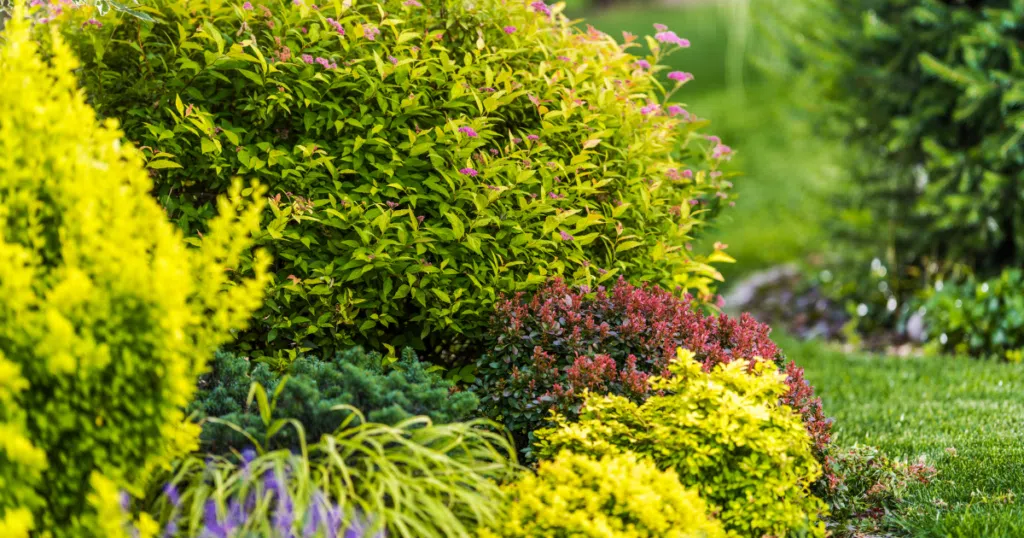
Traditional landscapes are designed so every element has its place, with nothing left to grow as freely. They typically feature clearly defined garden beds and lawn areas arranged in geometric layouts with straight lines and symmetry. Stonework and hardscape features often serve as the visual focal point, with plantings playing a supporting role.
Naturalized landscapes have a layered look that changes and matures with the seasons and over the years. They favour flowing layouts, with native and perennial plantings arranged in natural drifts and groupings. Natural stone and water features are integrated with functional patios and gathering spaces, so the landscape feels cohesive rather than pieced together.
Naturalized doesn’t mean messy or overgrown. A well-designed naturalized landscape is just as intentional as a traditional one; it simply follows nature’s patterns instead of a straight edge.
Maintenance and Long-Term Care
Traditional landscapes rely heavily on lawn and closely maintained beds, so they tend to require more ongoing care. Larger lawn areas mean more mowing, watering, and edging. Maintaining a crisp, manicured appearance takes consistent time and attention. Traditional landscaping also often relies more heavily on fertilizers and other lawn treatments to keep turf looking its best. Heavier use of annuals means more frequent replanting each year.
Naturalized landscapes are generally designed to reduce certain kinds of maintenance. Reduced fertilizing often slows lawn growth, which cuts down on mowing, and native plantings are well suited to compete with invasive species on their own. Perennial plants return year after year, so there is less need for replanting.
However, naturalized landscaping is not maintenance-free. A good design still has to account for how plants will grow and mature and how conditions on the property may shift over time. That planning is what makes the required maintenance more predictable and less intensive.
Many homeowners assume naturalized alternatives require more upkeep than their traditional counterparts. This depends heavily on what’s being compared. A naturalized swimming pond, for example, takes about as much work to maintain as a traditional in-ground pool. It’s a different kind of care, not necessarily more of it.
Environmental Impact
Traditional landscaping, with its emphasis on lawn and less diverse plantings, tends to offer fewer resources for local wildlife. It can also rely more on water and chemical treatments. Beyond their cost, these treatments can potentially harm beneficial insects, other wildlife, and even pets.
Naturalized landscaping tends to have a more positive impact on the local ecosystem. Greater plant diversity supports a wider range of species, since native plants provide food and shelter for birds, pollinators, and other wildlife. This support for wildlife is even greater when you reduce chemical treatments, which leaves your yard’s natural balance undisturbed. Plus, ponds or water features can offer additional habitat and a fresh water source for local wildlife.
Functionality and Outdoor Living
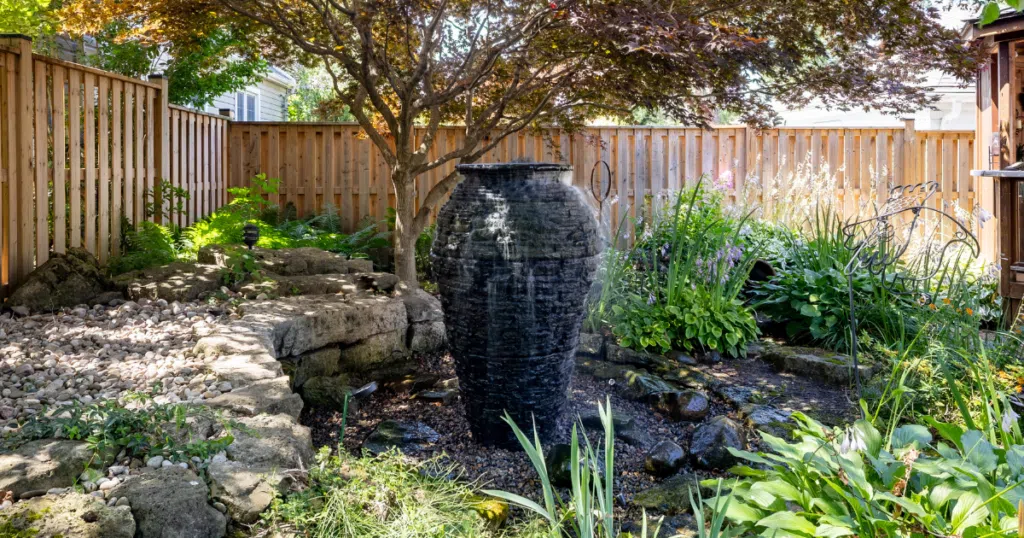
Naturalized landscaping doesn’t mean sacrificing function, which surprises many homeowners. A naturalized design can still include all the outdoor living features you’d want from a traditional landscape. This includes patios and pathways, gazebos, pavilions and other shade structures, fire features and seating areas, landscape lighting, and ponds, streams, or other water features that add a sense of calm to your outdoor experience.
The difference lies in how these elements are integrated. Functional features are woven naturally into the overall design rather than standing apart. A pathway can wind through drifts of native grasses and perennials instead of running in a straight line across open lawn. A fire feature can be set among boulders and native plantings instead of framed by a formal paver border. The result is a landscape that feels natural while still being highly functional for everyday living and entertaining.
Which Landscaping Approach Is Right for You?
The best approach depends on your property, your priorities, and your lifestyle. Start by thinking about your preferred style. Do you gravitate toward organic, layered landscapes, or do you prefer a more organized, manicured look? Consider your maintenance expectations and how much time you want to invest in ongoing upkeep. If supporting native plants and wildlife matters to you, your environmental priorities may point you toward naturalized landscaping. Long-term appeal may also factor into your decision. As you think through how you want to use the space, remember that a naturalized approach doesn’t mean giving up purposeful, functional features.
Keep in mind that traditional and naturalized landscaping aren’t mutually exclusive. Many successful designs blend elements of both. A manicured front yard might be paired with a naturalized garden out back, or a traditional patio might be surrounded by native plantings.
Conclusion
Traditional and naturalized landscaping offer two different approaches to creating a beautiful outdoor space. Traditional landscaping delivers a structured, manicured look, but it often requires more ongoing maintenance and relies more heavily on lawn treatments.
Naturalized landscaping works with your property’s natural characteristics and offers meaningful environmental benefits. It can also reduce certain kinds of long-term maintenance without sacrificing the functional features that make your yard enjoyable to use.
The right choice comes down to finding a design that works with your property and fits your lifestyle. Whether you’re drawn to clean lines and formal gardens, a layered and naturalistic look, or some combination of the two, the team at Raymar Landscaping can help you design an outdoor space that reflects your vision.
Contact us today to start planning a landscape that works for you and your property.